MIG/MAG and TIG welding – differences between the welding methods
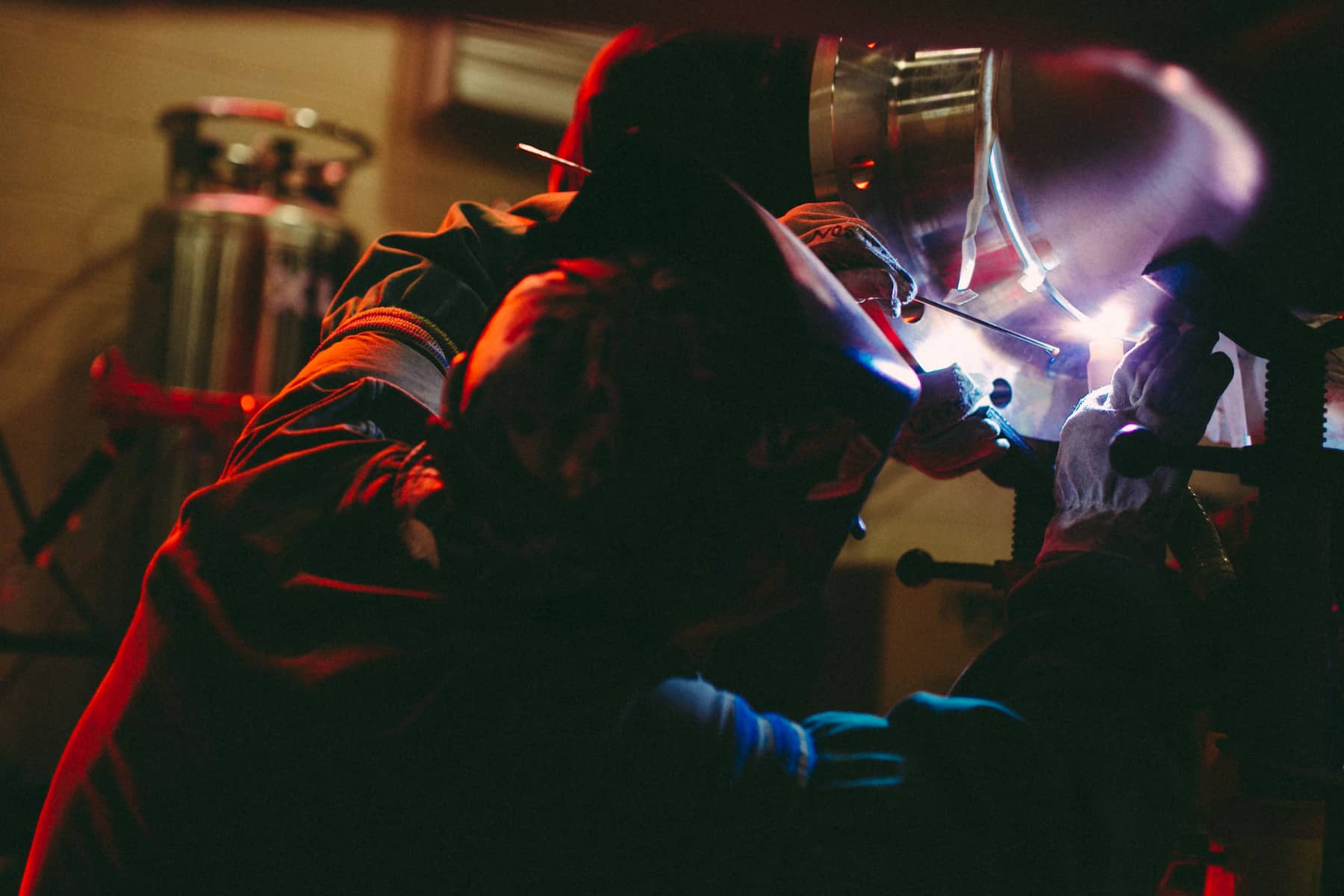
Are you wondering which metal joining method will work best in your workshop? MIG/MAG and TIG welding are currently the two most popular solutions, but they serve slightly different purposes. The most important difference lies in the technique and intended use. MIG/MAG is a fast, efficient, and easy-to-use tool – it handles thicker materials very well. In turn, TIG is a method for professionals: it works slower and requires greater skills, but in return, it offers incredible precision, no spatter, and an ideally smooth weld, which is irreplaceable for thin sheets. Read the entire article to make an informed choice of the best device for your work.
Key differences in welding methods:
- The MIG/MAG method works best for fast and highly efficient welding of thicker materials, and thanks to its relatively easy operation, it is great for beginners.
- The TIG method is the ideal choice if you care about the highest precision, lack of spatter, and aesthetic joining of thin sheets, non-ferrous metals, or stainless steel.
What does MIG/MAG welding involve?
The difference between the discussed techniques comes down to the electric arc itself. In the MIG/MAG method, it is created between the welded material and the consumable electrode – which is the wire fed on an ongoing basis. At the same time, the nozzle releases shielding gas. It is the type of gas used that decides which of these two methods we are dealing with:
- MIG (Metal Inert Gas): uses chemically inert gases, most often argon or helium. This is a good choice for copper, magnesium, and other non-ferrous metals.
- MAG (Metal Active Gas): is based on chemically active gases, such as carbon dioxide. This method reigns supreme when working with structural steels (unalloyed, low-alloy, and high-alloy).
Both variants are also commonly used to join low-carbon, stainless, acid-resistant, and alloy steels, as well as when working with aluminum. This is an incredibly versatile solution, which is perfectly visible in the statistics – it is estimated that MIG/MAG techniques currently account for over half of all processes in the entire welding industry.
What is TIG welding?
In the TIG welding method, the electric arc is created thanks to a non-consumable tungsten electrode working under the cover of an inert gas. The entire process is based on precise melting of the joined edges of the material or – if the situation requires it – manually introducing additional filler metal directly into the weld pool.
TIG guarantees the highest quality welds, completely free from impurities. It will be absolutely ideal:
- for joining stainless steel and demanding metals, such as titanium, copper, and aluminum,
- during work with elements of small thickness (e.g., sheet metal or thin-walled pipes).
The TIG technique requires precision, but in return, it offers durable and aesthetic connections.
MIG/MAG vs. TIG welding – differences
Comparing both technologies side by side, you will quickly notice that they were created for slightly different workshop purposes. Let’s summarize what differentiates them.
- Type of electrode: MIG/MAG uses a wire that is simultaneously an electrode and a filler (it melts during work). TIG is based on a non-consumable tungsten electrode.
- Work speed: MIG/MAG is a very efficient and fast method. TIG forces patience and slow weld guidance.
- Quality and appearance: Although MIG/MAG gives solid connections, TIG wins in terms of aesthetics and cleanliness (no slag).
- Welder skills: Operating a MIG welder is relatively simple for beginners. TIG requires a steady hand, excellent hand-eye coordination, and significantly more experience.
Which welding method to choose?
The decision to purchase equipment depends mainly on the material you intend to work with. Stick to this simple and proven rule:
- MAG method: ideal for unalloyed, low-alloy, and high-alloy steels,
- MIG method: a great choice for welding non-ferrous metals,
- TIG method: will work well with low- and high-alloy steels and non-ferrous metals.
Beyond the type of metal, consider your work comfort and experience. If you care about high efficiency and are just learning the trade, a MIG welder will be a bullseye – it is friendly equipment for those learning the trade, as well as a staple for professionals.
TIG vs. MIG/MAG welding – frequently asked questions
What is easier to start with: MIG/MAG or TIG?
Definitely MIG/MAG. A MIG welder forgives many mistakes for beginners, and thanks to the automatic wire feed, you will quickly master the basics and start laying your first welds. TIG is a much more advanced level – it requires a lot of patience, a steady hand, and simultaneously operating the torch and feeding the filler with the other hand.
When is it best to use a TIG welder?
A TIG welder is the best choice for the precise joining of thin sheets, stainless steel, and aluminum. Reach for it whenever you care about the highest aesthetics and an ideally clean weld without spatter.
Which method is faster: MIG/MAG or TIG?
Definitely MIG/MAG. Automatic wire feeding allows for lightning-fast weld laying, so it is an extremely efficient method for larger projects. TIG, on the other hand, is slow work requiring focus and patience.
About the author